Crown reduction and pruning in Teesside
Crown reduction on Teesside costs £200 to £600 for most garden trees: the canopy is cut back evenly, typically by 20 to 30 percent, keeping the tree's natural shape while taking weight and wind sail out of it. Done to BS3998 standard, it is the answer to a tree that has outgrown its garden without losing the tree.
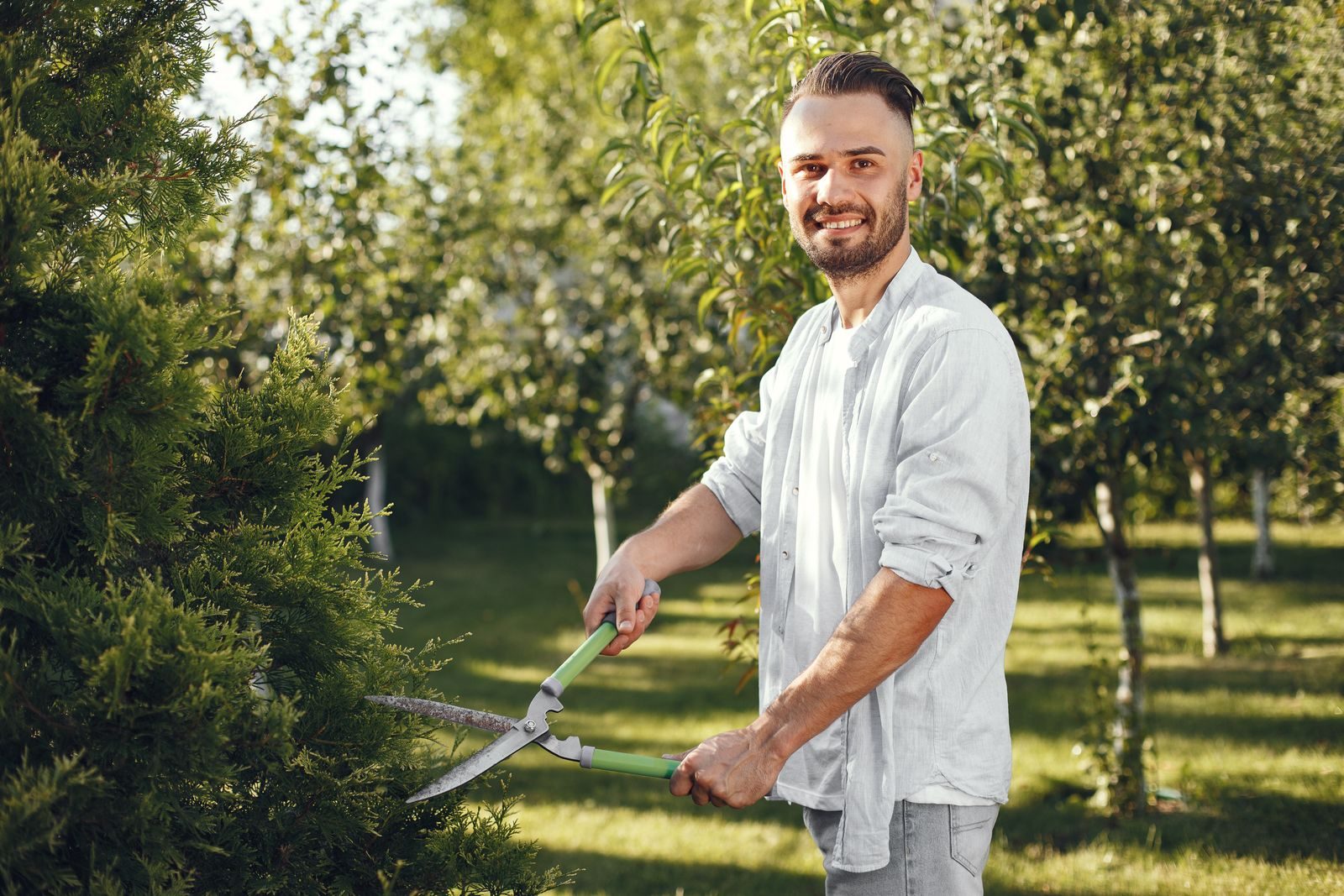
Reduction, lifting, thinning: three different jobs
Crown reduction shortens the whole canopy back to suitable growth points, the standard fix for a tree that is too big for its plot or leaning over a roof. Crown lifting removes the lowest branches to clear driveways, pavements and sightlines, common on the street trees and front-garden limes of Acklam and Linthorpe. Crown thinning removes selected inner branches to let light and wind through without changing the outline, useful where a dense canopy is shading out a lawn or rocking in the easterlies that come off the North Sea.
What none of them is: topping. Lopping a tree flat across the top ruins its shape, triggers weak, fast regrowth, and creates decay points that make the tree more dangerous within a few years. Any contractor who offers to "top it" is telling you something about their training.
What proper pruning looks like
British Standard 3998 is the benchmark, and it is worth naming when you ask for quotes. Cuts are made back to forks and growth points, never mid-branch stubs. Reductions are stated as a percentage or in metres (a 25 percent reduction, or 2m off the height), so the quote tells you exactly what you are buying. Timing matters by species: most broadleaf work is best in winter dormancy, but cherries and plums are pruned in summer to avoid silver leaf disease, and birch and maple bleed heavily if cut in early spring.
Pruning and the law on Teesside
Protected trees need consent even for pruning: a TPO covers the whole tree, roots to tip, and conservation area rules mean six weeks' written notice for anything over 75mm diameter. Overhanging branches from a neighbour's tree can legally be cut back to your boundary, but the arisings belong to the neighbour, and if the tree is protected the permission rules still apply. Nesting birds pause everything: from March to August, crews check for active nests before cutting, and an occupied nest means the work waits.
What it costs
Most single-tree crown reductions on Teesside quote between £200 and £600, with small ornamental pruning from around £100 and large mature trees (the big sycamores and limes behind 1930s semis) up to £800 when access is poor. The figure moves on tree size, the percentage coming off, and how the arisings come down: reductions over lawns are quick, reductions over greenhouses get lowered piece by piece.